Shining in the Shade: Low Light Plants
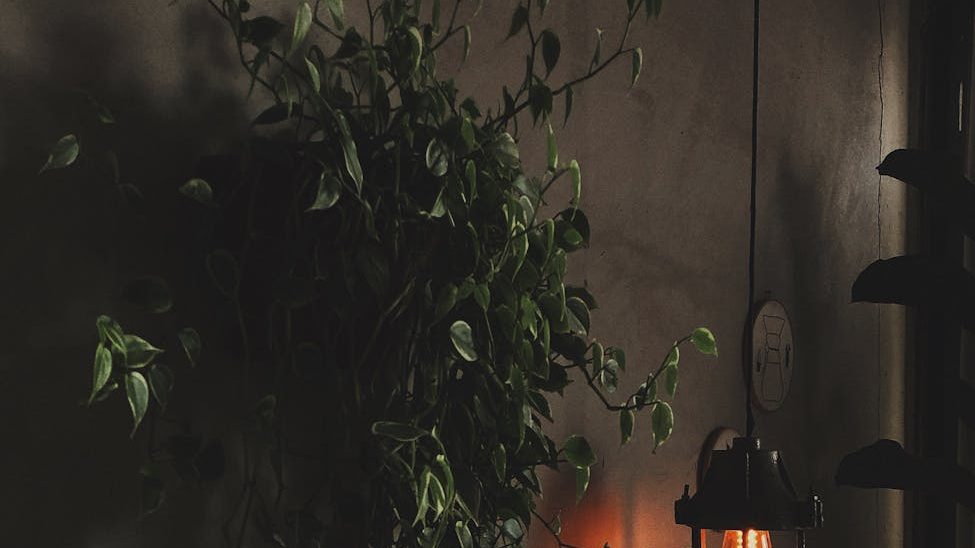
A common question I get regarding plant care is whether there are any plants that don’t require any light. The short, simple answer is no. The longer, more robust answer will require delving into basic plant biology concepts, which I love, but will try to reasonably condense. I am absolutely thrilled that you’re joining me for my nerdfoolery; let’s dive in!

DISCLAIMER: I am not a biologist or a botanist, just a plant fairy/hobbyist. I gather tidbits of information as I frolic my way through the day.
Photosynthesis
Sunlight and sun replacement lights –like full spectrum grow lights– are necessary for photosynthesis, which is a series of biochemical reactions essential for plant functions. More concisely, photosynthesis is the process of converting sun, carbon dioxide, and water into glucose and oxygen. You see, plants are autotrophs and produce their own energy in the form of glucose via this method; it is a fundamental function that allows plants to grow and survive in their environments. If you read my first blog post, Benefits of Houseplants, you may recall the tidbit about humans and plants interacting in a symbiotic manner. In this case, we benefit greatly from the oxygen produced during photosynthesis. So, remember: if you want to breathe, take care of the earth and the life on it.
Now, do ALL plants need light? Usually, but no. No, they don’t.

“What sorcery is afoot here, Yana?” you ask me (I imagine). Well, curious reader, what if I told you there are parasitic and saprophytic rascals out there? Parasitic plants connect to a host and siphon their nutrients, yet some do, indeed, perform photosynthesis. Saprophytic plants, however, cannot photosynthesize due to a lack of chlorophyll; instead, these organisms contribute to decomposition and obtain their nutrients from dead/decaying matter. How magical are plants with their diverse physiology? In the words of Kasey Musgraves, “Oh what a world.”
I fear I’ve ranted us a bit away from the point of this post. But now that we’ve enjoyed (or endured – it’s ok, you can tell me) a small dose of botanical geekery, let’s move on to the topic at hand: low light plants. Most houseplants are neither parasitic nor saprophytic and do require a light source, but there are plants marketed as low light. This can be misleading as low light plants in general love and need a light source but CAN tolerate low light and even reasonably thrive. A darker space will not bring about the demise of your low light friend but may impede their growth rate and morphology to some extent. The key word for these kinds of plants is tolerant; they prefer a nice diffusion of light usually but will tolerate darker conditions. Have I mentioned low light tolerant plants TOLERATE low light conditions? Just making sure.
With this knowledge in your arsenal, I invite you to peruse a list of some low light plants to add to your collection. You’ll find varied opinions in the plant community, but I’ve had some good luck with the plants below, especially snakes, pothos, ZZs, and spiders 😊
Snake Plants

Ferns
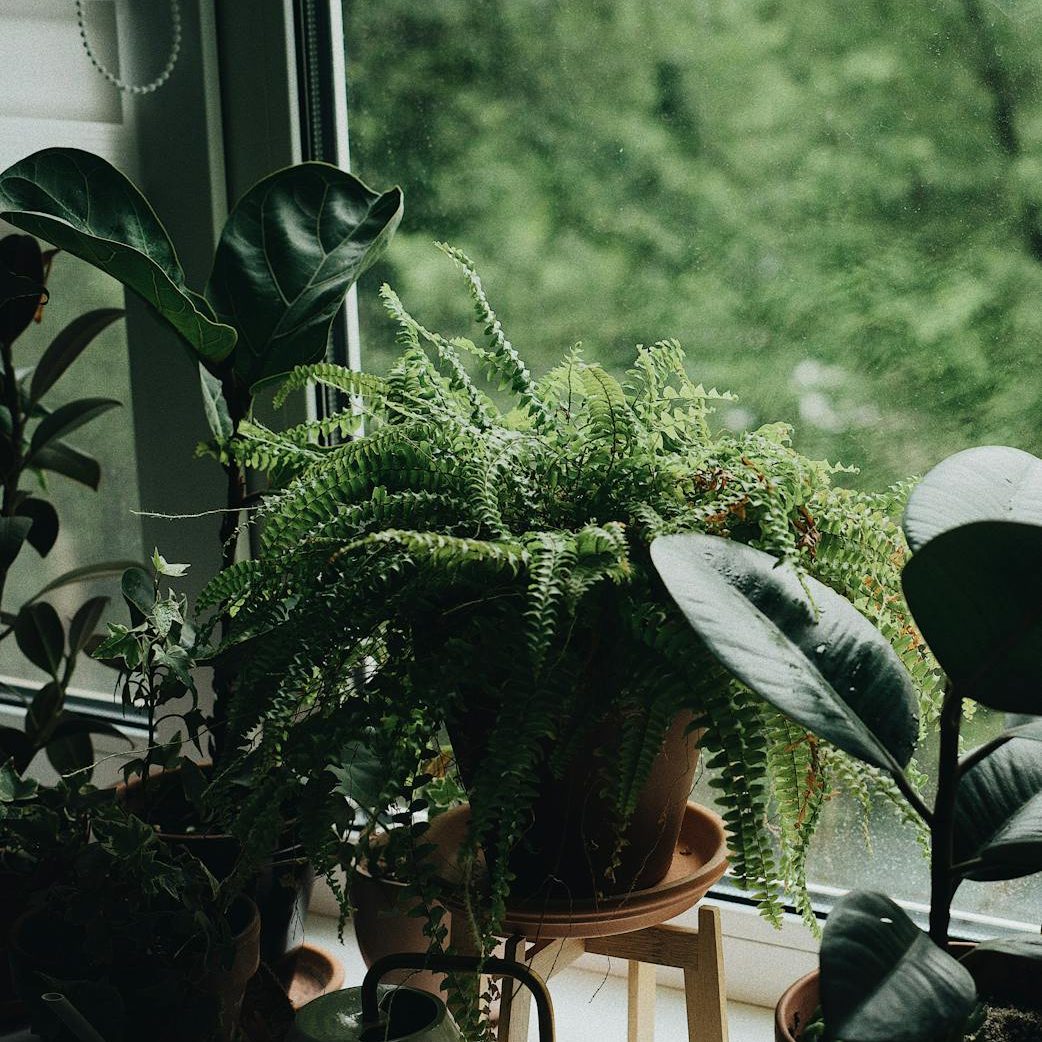
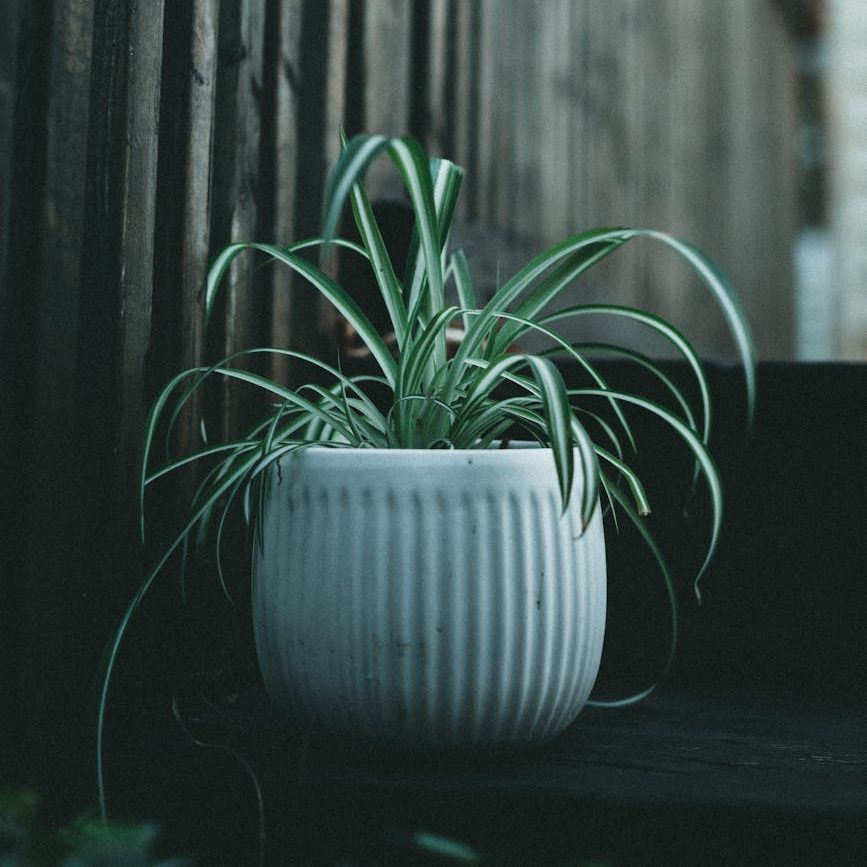
Spider Plants
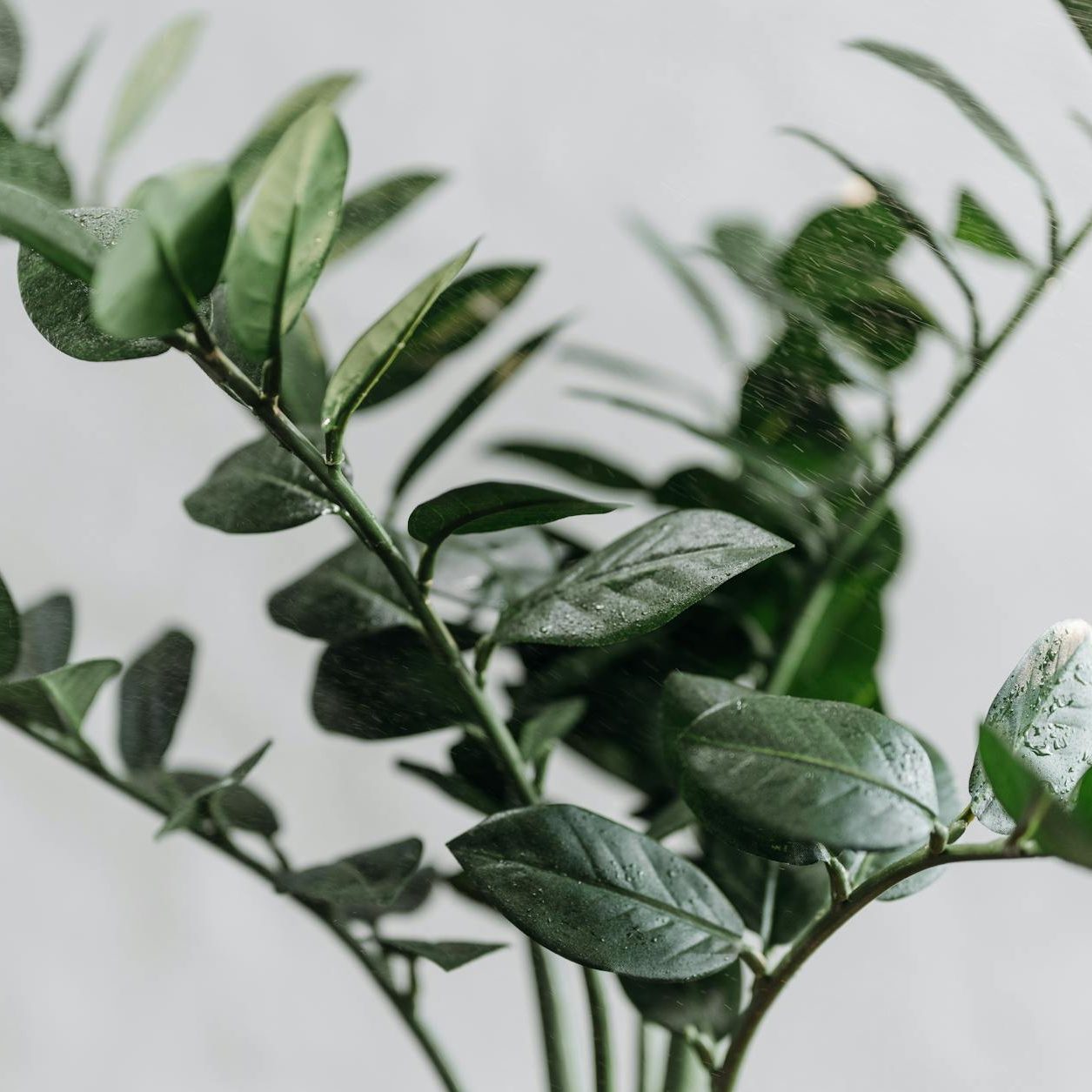
ZZs
Pothos
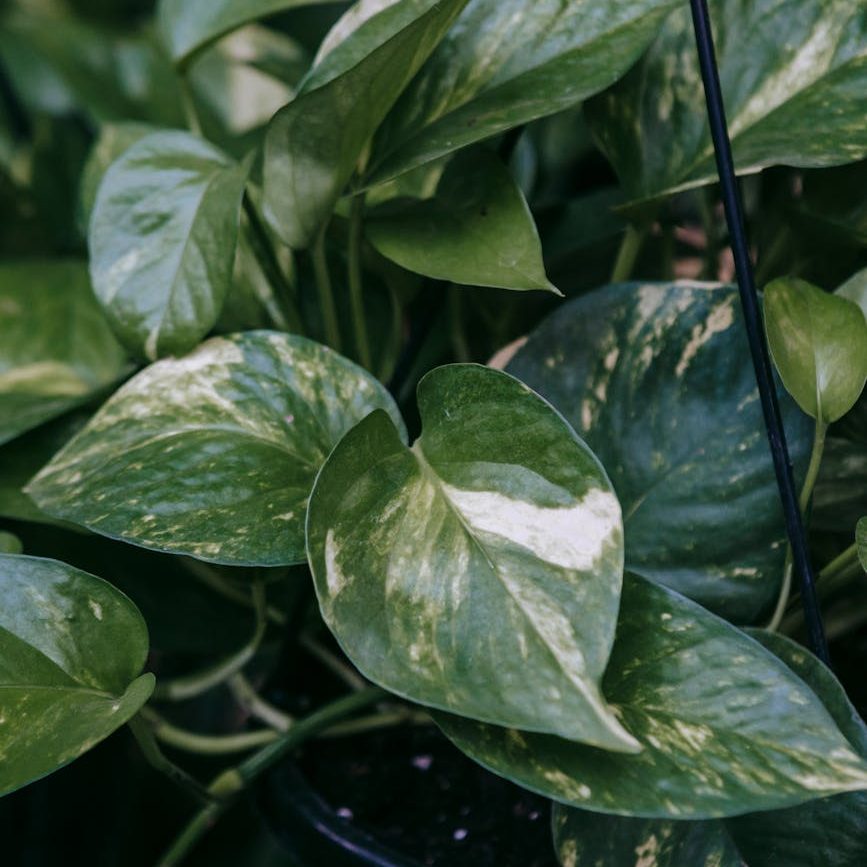
Cast Iron Plant

Peace Lilies

Philodendrons

It’s worth it to reiterate that all houseplants prefer a light source, but a good amount will be fine in darker environments though may not flourish to their fullest potential. It is likely one of the primary reasons that tropical plants rarely bloom in home environments as they do in the wild. But don’t let that discourage you! You can embrace the shade with hardier plants and even mitigate it with full spectrum grow lights. My home is quite dark, in fact, and I have many plants that do swimmingly (leafingly? growingly?) with their grow lights. You can even install timers, which is easier than it seems.
I also want to scamper on back to the lovely, shimmering lyrics of Ms. Musgraves because I’m feeling sentimental. Remember, “Oh, what a world, don’t wanna leave / All kinds of magic all around us, it’s hard to believe / Thank God it’s not too good to be true / Oh, what a world, and then there is you”
Until next time, my fellow magical and bioluminescent glowworms!

Sources
Bouwmeester, H., Sinha, N., & Scholes, J. (2021). Parasitic plants: physiology, development, signaling, and ecosystem interactions. Plant physiology, 185(4), 1267–1269. https://doi.org/10.1093/plphys/kiab055
Photosynthesis & Respiration. UC Agriculture and Natural Resources. (2025, February 26). https://ucanr.edu/site/fruit-nut-research-information-center/photosynthesis-respiration
Wilson, A.W. (2024, January 30). saprotroph. Encyclopedia Britannica. https://www.britannica.com/science/saprotroph

 Florauna Plant Shop
Leave a comment